
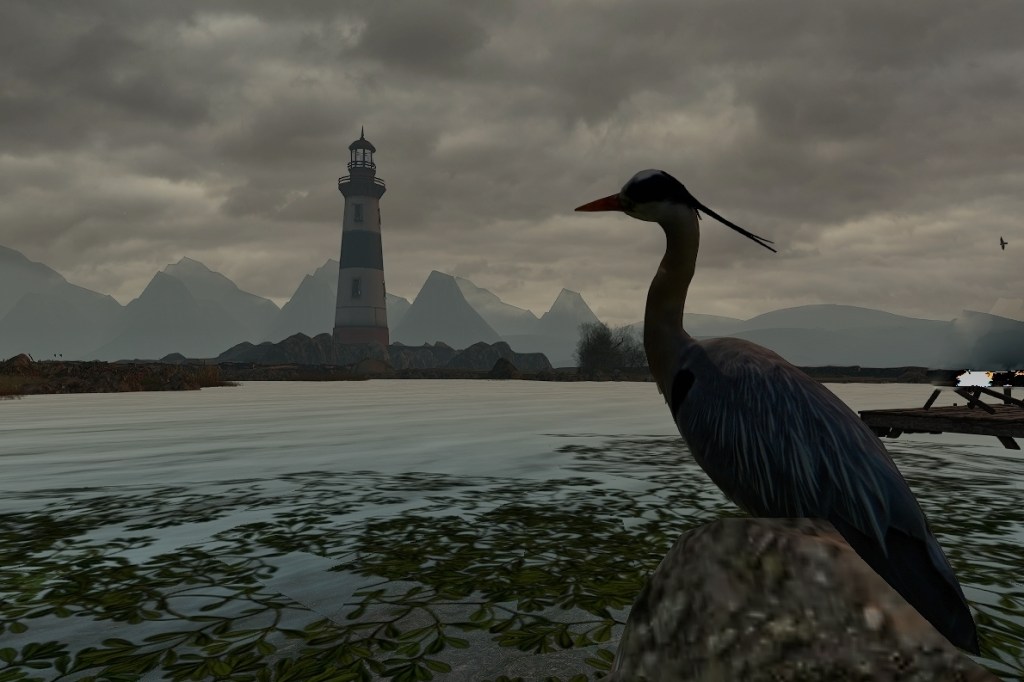
What makes a world cultural?
Not its terrain.
Not its tools.
Not even its scale.
A cultural world forms when people return. When shared practices repeat until they feel less like events and more like seasons. When memory settles into a place the way light settles across water at dusk.
I first logged into Second Life in August of 2007. It had already been alive for four years. My best friend had been talking about it endlessly. I thought it sounded ridiculous. For her birthday, I agreed to try it. We drank wine. We built my avatar. I missed every help island because she teleported me directly into a hippie party at Ripple.
Music was already playing. Avatars were dancing in a field. I learned to fly before I learned to walk.
I thought it was a game. I expected objectives. A scoreboard. Something to win.
But there was nothing to win.
Only people.
And that changed everything.
Over time, I began to notice patterns. The same names lighting up the map again. The same regions reshaped by different hands. The same festivals returning with new builds but familiar energy. I began to understand that this was not a temporary visit. It was a world that remembered itself.
A world becomes cultural when community practices ritual over time and continuity begins to take root. By that measure, Second Life is not simply a platform. It is a living cultural world.
Community
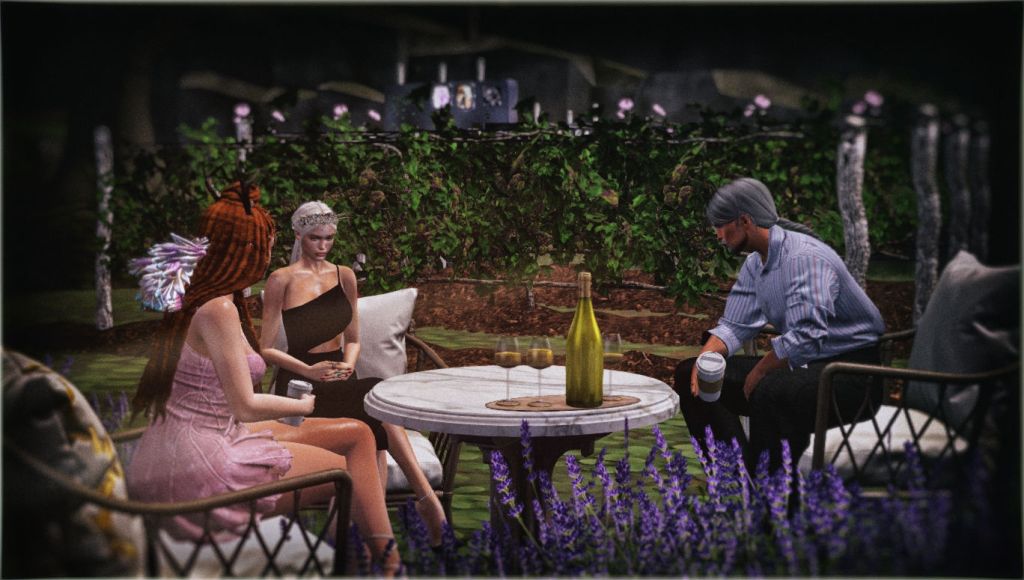
Community in Second Life is not automatic. It is chosen.
People return to the same shorelines. The same sky platforms. The same dance floors suspended over dark water. Names that once felt unfamiliar begin to feel steady. You start recognizing how someone types. The rhythm of their speech. The way they always stand just slightly off to the left.
I joined a community called Darkstar early on. It became my first home in Second Life. Not because it was grand. Not because it offered rewards. But because people showed up repeatedly with similar interests. They returned to the same clearing. The same conversations. The same small rituals of greeting.
Community forms in repetition.
It forms when someone says, “See you next week,” and means it.
It begins to take shape when a place feels different at 2 a.m., but still recognizable.
Belonging doesn’t arrive all at once. It builds slowly.

Creativity
Creativity in Second Life is not decoration. It is infrastructure.
It is how space becomes experience.
A builder shapes a coastline and suddenly there is somewhere to gather. A photographer places an exhibit in a sky gallery and suddenly there is something to stand in front of together. A DJ streams music into a field and the field becomes a dance floor.
Creativity builds the conditions for connection.
I live on the mainland in a community called Corsica South Coasters. It is resident-owned. Different people steward different parcels, but many of us share a similar vision: art, music, landscape, virtual nature.
Recently I rebuilt the Cloud Galleries area there. New sky spaces. New ways to move between exhibits. CK built Monte Corse ,Forested a wooded hiking region where light filters through trees and paths bend just enough to slow you down.
This exists because residents of Second Life choose to build it.
When someone wanders those trails or lingers at an opening, the build becomes more than structure.
It becomes atmosphere.
And atmosphere, over time, gathers people.
In Second Life, creativity is how a place becomes shared.
How space turns into somewhere you come back to.
Ritual
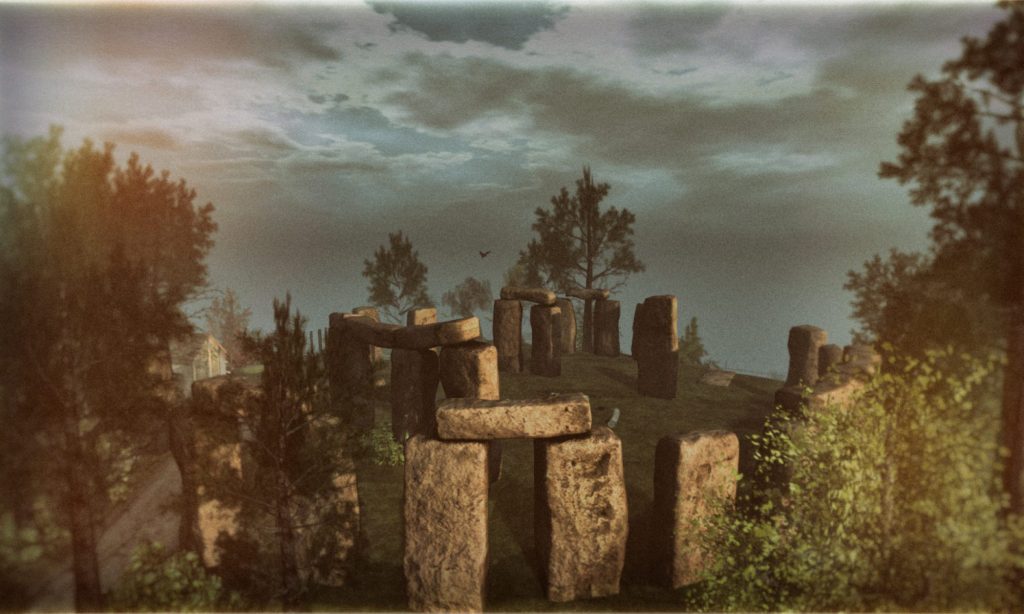
Ritual in a virtual world is not grand or ceremonial. It is recurrence.
Every January, Hippiestock returns.
The land takes form again — never the same, always familiar. The art goes up. Musicians test their streams into empty fields before anyone has arrived. Old friends teleport in. New names begin to feel less new.
For weeks, art, music, and conversation braid together. Someone dances barefoot in pixel grass. Someone shares a song that lingers longer than the night. Someone stays later than they planned.
Nothing about it is accidental. It is community practiced.
And this rhythm is not limited to January.
Galleries rotate artists month after month. A familiar venue hosts live music every Tuesday. A DJ returns to the same rooftop at the same hour. A region quietly reshapes itself before a seasonal gathering.
Ritual does not require permanence. It requires return.
In Second Life, ritual is the agreement that we will meet here again. Even if the build changes, even if the sky is different, even if some of us disappear for a while.
And that agreement, repeated over time, becomes culture.

Continuity
Second Life launched in 2003.
That alone does not make it cultural. Time by itself is just time. What matters is what continues inside it.
I logged in in 2007 and walked into something already underway. Communities had formed. Parties were happening. Landscapes were tended. The world did not wait for me to begin.
And it has not stopped.
Residents leave. Years pass. Then one night a familiar name lights up again. A message appears in local chat. A teleport request. Someone reappears in a region that has changed shape but not spirit.
There is a particular brightness in that moment.
Galleries continue rotating artists through walls that have held hundreds before. Fields are reshaped. New builders leave their signature in light and shadow. The sky at dusk is never quite the same twice, but it is still dusk.
Continuity in a virtual world is not about freezing anything in place. It is about motion that remembers.
It is about knowing that if you log in next week, there will still be music somewhere. Someone will still be building. Someone will still be standing by water at midnight.
Second Life continues not because it refuses to change, but because people keep returning to it.
And return, over time, becomes its own kind of light.
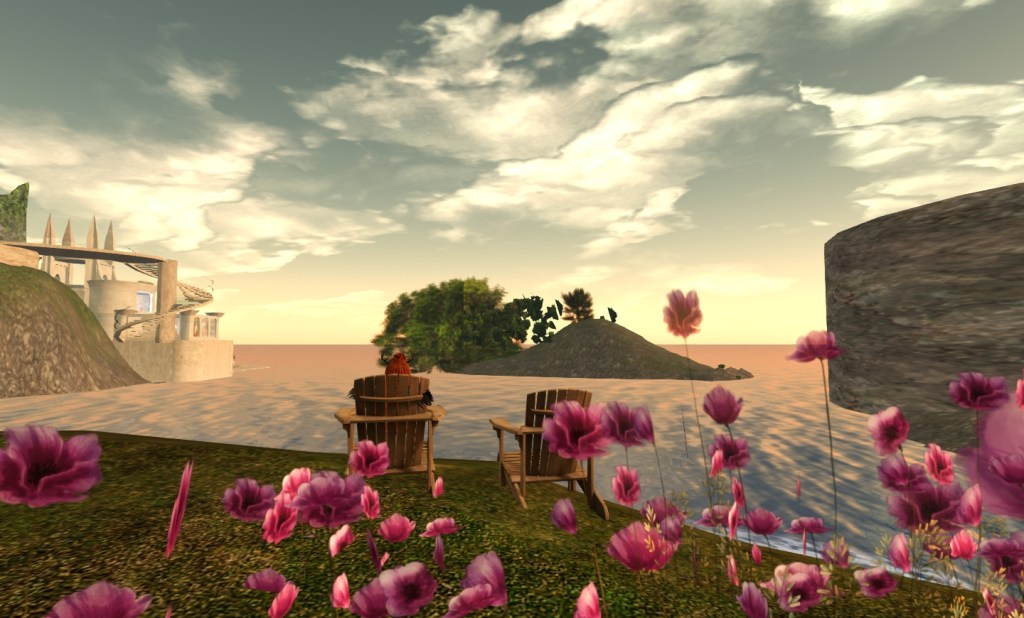
Second Life becomes a cultural world when community creates ritual, ritual builds continuity, and continuity gives the world memory.
Some worlds are visited.
Others are inhabited.
The difference is return.
If you are already here, you have felt it — in the way a familiar name appears in chat, the way a region feels different at midnight than it does at noon, quiet anticipation before music begins.
If you have been away, it may surprise you how much still breathes.
If you have never logged in, you might not expect a world made of pixels to hold this kind of life.
But culture does not require physical soil.
It requires people who choose to gather, to build, and to return.
In that return, something lasting forms.
See you in world,
~ Owl


Leave a little magic behind—your words matter.